

Feline comparison • From symptoms to follow-up

Compare cat insurance through a real care question

A matching deductible does not mean two policies protect the same sequence of feline care.

Owner reviewing information on a laptop beside a cat
✓ Policy-first ✓ Independent ✓ Useful checks
Direct answer
To compare insurance for cats, trace the same care question through each offer: the first examination, diagnostic tests, treatment and follow-up. Then compare the full price and payment rules for the offers that cover the parts you need. Use your cat’s history and actual state policy; a brand list or identical reimbursement percentage cannot establish the better fit.
What to know

Start before the diagnosis has a name

A cat may arrive with a sign such as painful urination rather than a confirmed diagnosis. Cornell explains that urinary signs can have different causes and may prompt urinalysis, blood work or imaging. For comparison, this matters because “covers the condition” does not tell you whether the initial consultation and diagnostic work are included.

Ask each provider to explain eligibility when the diagnostic workup is medically necessary but the final cause has not yet been established. Do not assume every test is covered or that a negative test makes it routine care. The policy and claim facts determine that result.

If a cat is straining and passes little or no urine, seek urgent veterinary help; urinary obstruction is an emergency. An insurance comparison should never delay assessment or be used to diagnose the cause.

What to know

Give each offer the same four checkpoints

Checkpoint Ask the same question Evidence to keep
First consultation Is the sick-visit examination fee included in this selected plan? Benefit schedule or relevant option
Diagnostic workup What tests and specialist referrals can be eligible, and which exclusions matter? Diagnostic and referral wording
Treatment Are the recommended medicine, procedure and hospitalization within scope? Medical benefits and any formulary or restrictions
Follow-up How do repeat visits, medicine and renewals interact with limits? Remaining limits and continuation terms

Use “included,” “optional,” “excluded” or “not resolved” rather than a vague check mark. An optional benefit only belongs in the comparison after its price is added. A missing answer should remain missing until the company identifies the applicable wording.

This grid is for one cat and one clinical question. If you have several cats, run it for each animal before comparing a household discount; their histories and eligible care may differ.
What to know

Three current product differences to investigate

The following are starting points for document review, not rankings or offers for your cat. Availability, eligibility and the state version still need confirmation.

Product route Verified structural difference Useful follow-up
Pets Best Its coverage page describes optional fee and prescription features; dental terms vary by policy, state and enrollment date Which of those benefits are actually selected in this cat’s returned offer?
Trupanion Its deductible is lifetime per condition rather than a standard annual reset How would the insurer classify separate diagnoses and continuing care?

A product structure can help you decide what to investigate, but it does not establish a payout. Keep the wording alongside the quote, and ask about any mismatch between a general marketing page and the actual offer.

Compare

Compare dental disease without confusing it with cleaning

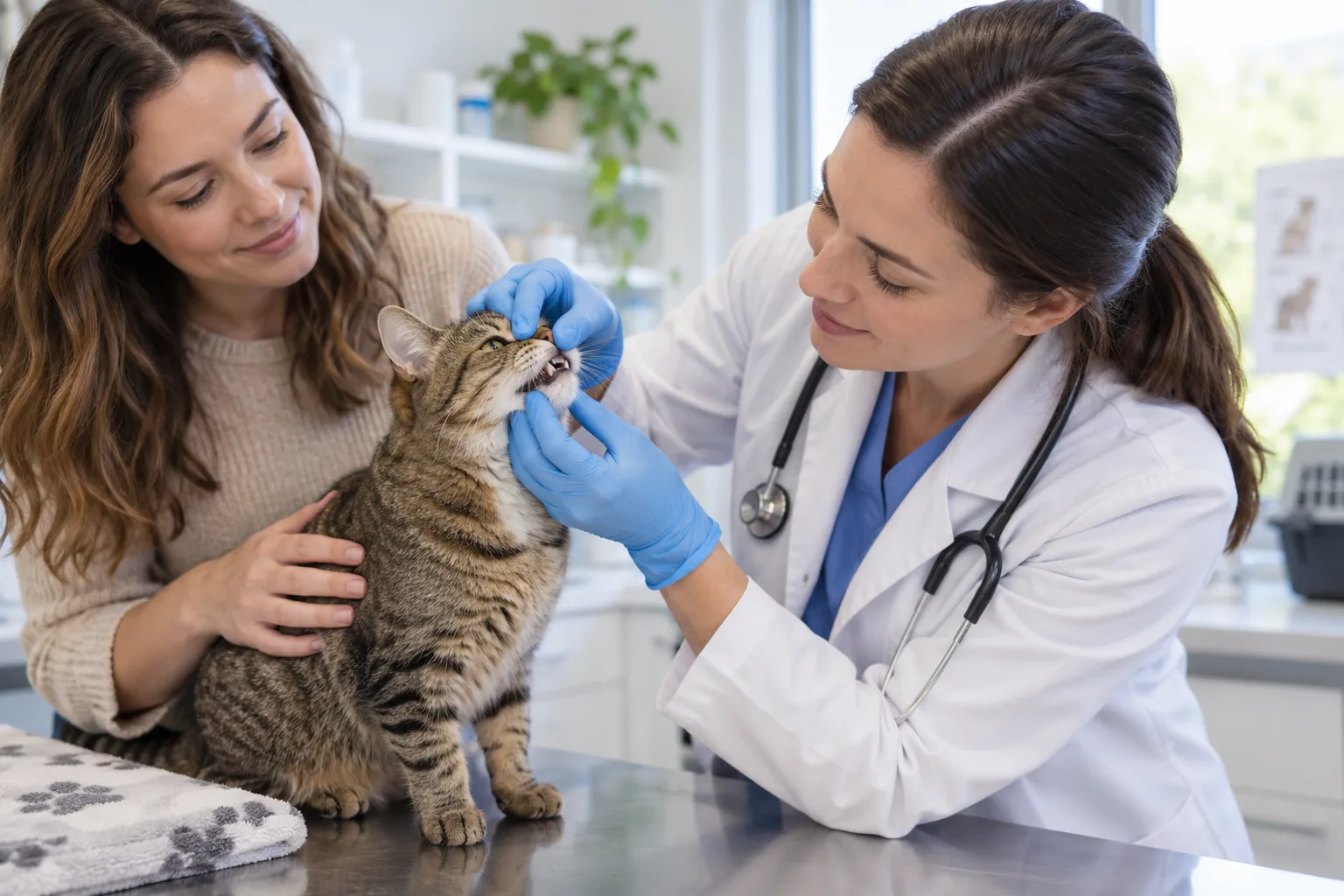
Veterinary professional examining a cat’s mouth with an owner nearby
Read the dental disease terms separately from routine cleaning benefits.

Cornell distinguishes painful dental diseases from preventive dental care. A routine cleaning allowance does not by itself answer whether investigation or treatment of dental illness is eligible. Likewise, an illness benefit does not necessarily reimburse routine cleaning.

For each candidate, ask where dental disease is addressed, which procedures and examination requirements apply, and whether the relevant history changes eligibility. Pets Best expressly directs readers to state-specific documents because dental terms can vary. Do not paste a benefit description from another enrollment version into your comparison.

The result may be that one quote needs an option and another already contains a relevant medical benefit. Compare their completed prices, while preserving any exclusions that still differ.

Decision guide

Choose only after the unresolved column is small

Bring the cat’s actual records into the discussion. A previous symptom may matter even when a diagnosis is recent. Ask how the insurer evaluates the relevant history and what can be clarified before purchase; an informal answer should not be treated as a binding preauthorization.

Now compare the full premium, deductible basis, insurer percentage, limits and ability to pay the practice. If both offers meet the clinical scope you chose, price and service may decide the result. If one leaves the first consultation or an important treatment outside cover, that difference needs its own budget.

Keep the final comparison short enough to use: the care question, the relevant clauses, selected options, remaining unknowns and total price. This guide has not collected individualized rates, tested claims service or found a universal best insurer.

Evidence

Sources and policy context

These public references support the consumer or veterinary context. Named insurer details were checked in official product materials; the policy offered for your pet and state determines the actual terms.

Next step

Compare Current Pet Insurance Rates

Check current options for your pet and location, then compare the policy details, exclusions, costs, and eligibility before choosing.

Compare the policy before you choose Check the actual offer, exclusions and out-of-pocket terms.
See Rate Options